ΑΝΑΛΥΣΕΙΣ
Eurasianet Apr 3, 2026
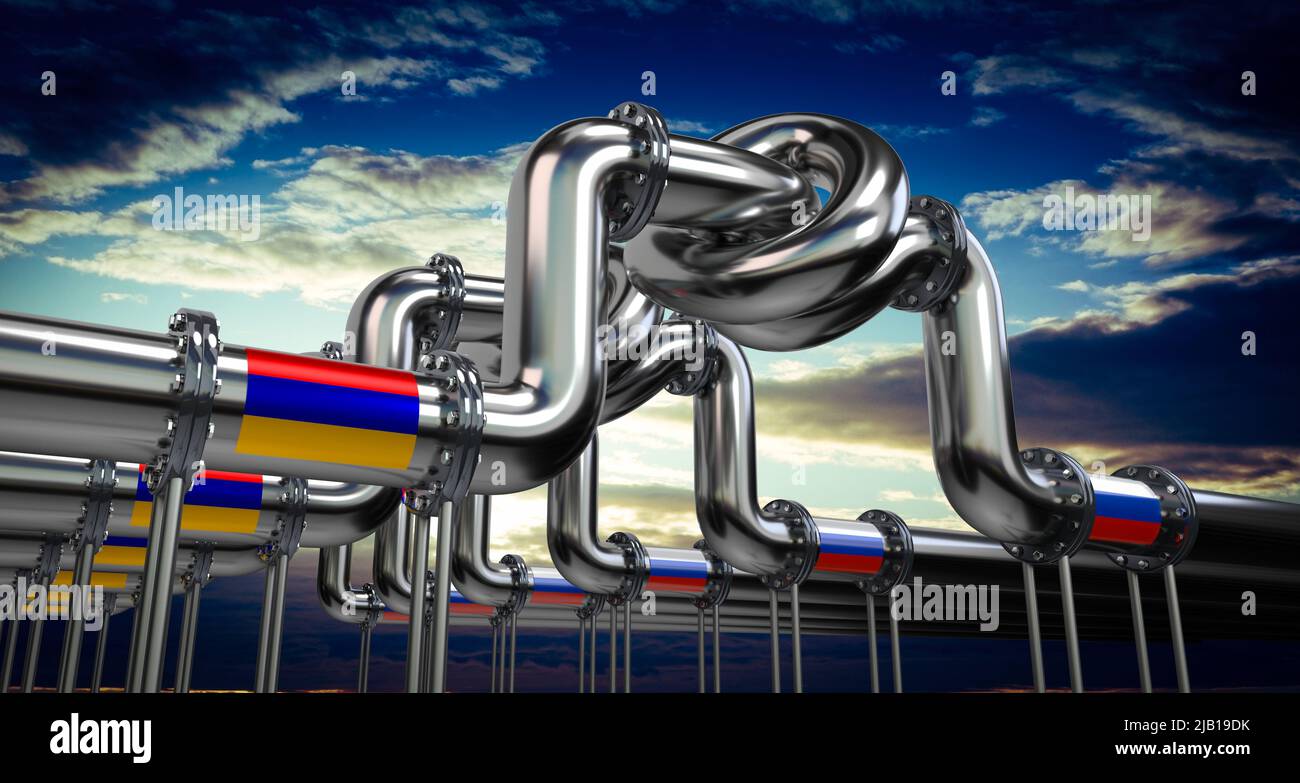
Two leaders sling verbal darts over bilateral relations. Armenian Prime Minister Nikol Pashinyan and Russian leader Vladimir Putin were not in a jesting mood during an April Fools’ Day meeting in the Kremlin. The two traded far-from-subtle barbs on a range of subjects, including Armenia’s upcoming elections and Yerevan’s efforts to improve relations with the European Union.
In public comments opening the Kremlin meeting, the two made passing references to the two countries’ “open, trusting” relationship and “civilizational affinity.” But their respective statements were also loaded with coded language that underscored their growing differences. Referring to Armenia’s upcoming June 7 parliamentary vote, which offers voters a stark choice about the country’s geo-economic future, Putin made it clear to Pashinyan that Russia is not a passive observer and is keen to keep Yerevan in its geopolitical orbit. He stated that dual Armenian-Russian citizens should be allowed to run for seats in the Armenian parliament, including Samvel Karapetyan, the founder and funder of “Strong Armenia,” one of the leading opposition challengers to Pashinyan’s Civic Contract party. Karapetyan is presently under house arrest, charged with money laundering and anti-state activities. “We would like them all to be able, at the very least, to participate in this domestic political process,” Putin said. He added with a hint of menace that Russia has “many friends in Armenia – many.” Armenian officials and international watchdog groups have accused Russia of trying to influence the election outcome by funneling assistance to anti-Pashinyan groups and waging a disinformation campaign via broadcast outlets and social media. Pashinyan parried Putin’s thrust and tossed a few disses back at the Kremlin leader. He bluntly told Putin that “only citizens holding an Armenian passport – and no other nationality – can run in these elections.” He proceeded to cast shade on Putin’s authoritarian ways by underscoring the competitiveness of the Armenian parliamentary race. “Regarding our internal political processes, Armenia is a democratic country, you know, and we actually always have political processes, and this is already commonplace for us,” he said.
Pashinyan also took a dig at Putin’s efforts to exert total control over Russia’s information space, noting that in Armenia, “our social media, for example, is 100 percent free. There are no restrictions at all.” The two additionally jousted over the Armenian government’s efforts to seek membership in the European Union, even though Yerevan is already a member of the Moscow-led rival economic organization, the Eurasian Economic Union. (EAEU). Putin told Pashinyan flatly that Armenian membership in both the EU and EAEU is “simply untenable.” The Armenian prime minister batted away Putin’s concern. “What we are doing, and the agenda we have, at least at present, they [Armenia’s relationships with the EU and EAEU] are compatible,” he said. “When the processes develop to the point where a decision must be made, I am confident that we, the citizens of the Republic of Armenia, will take that decision.”
Pashinyan took Putin to task over Russia’s failure to fulfill its obligations under the Collective Security Treaty Organization by not coming to Armenia’s aid during the Second Karabakh War, a grievance that caused Yerevan to suspend its participation in the security alliance. “We are currently not participating in the work of the CSTO for one simple reason: we still have no explanation to offer to our people as to why the CSTO failed to respond,” the Armenian prime minister stated. Pashinyan ended his statement on a positive and defiant note, in effect telling Putin that he better get used to Armenia’s efforts to diversify its geopolitical choices. He also conveyed confidence about his re-election chances. “I am confident that after our upcoming elections, democracy in Armenia and the people’s power in Armenia will be further strengthened,” he said. The Russian reaction to Pashinyan’s Kremlin performance has been characteristically cranky and threatening. Top Russian officials, such as Deputy Prime Minister Alexei Overchuk, have taken to attacking Pashinyan for what they characterize as a display of insolence. “Armenia has come very close to the point where will have to reconsider our economic relations with this country,” he said.

yiota
Author’s Posts
-
Iraq’s Oil Lifeline Reopens — But Can Baghdad Trust Turkey for Even One Year?
Aug 11, 2026
-
Central Asia and Azerbaijan Extend Cooperation Across the Caspian
The Central Asia Times, 11 Augu...
Aug 11, 2026
-
Ποιοι Είμαστε
της Παναγιώτας Παπαρούνα
Ο μεγάλος ευρασιατικός μας κόσμος!
Της Παναγιώτας Παπαρούνα
Ιράν: Ο Μοτζτάμπα Χαμενεΐ προχώρησε σε αλλαγές κορυφής – Ετοιμάζεται για παρατεταμένη σύγκρουση