Ναυτεμπορική, Σάββατο, 9 Μαΐου 2026, Νατάσα Στασινού
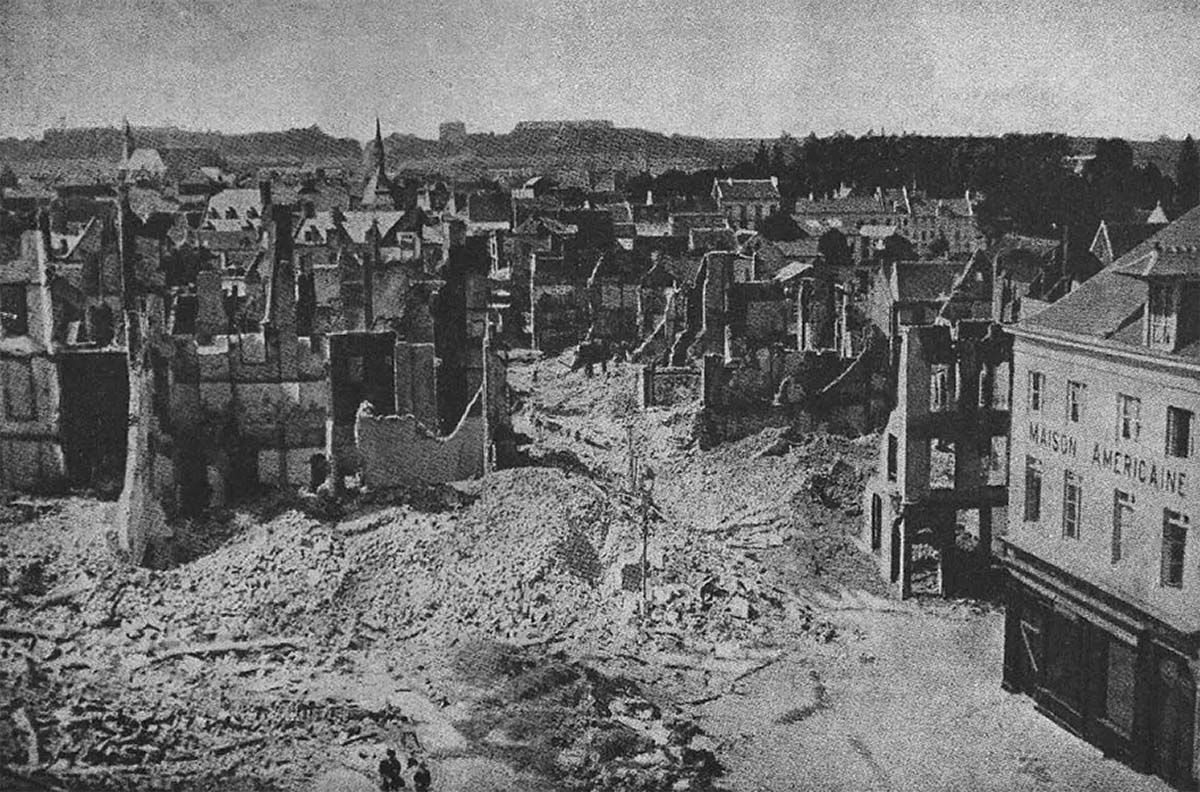
Η 9η Μαΐου δεν είναι απλώς μια επέτειος. Είναι ένας καθρέφτης της ηπείρου.
Ναυτεμπορική, Σάββατο, 9 Μαΐου 2026, Νατάσα Στασινού
Η 9η Μαΐου δεν είναι απλώς μια επέτειος. Είναι ένας καθρέφτης της ηπείρου.
CGTN -news Opinion- 08-May-2026, By Gu Qingyang

The Times of Central Asia , By Kodirjon Eshonkulov, 8 May 2026
For the first time in its history, the European Union held a full summit with Armenia. The meeting, which took place in Yerevan on 4–5 May 2026, was not merely a diplomatic milestone for Armenia.

Global Times Published: May 07, 2026
The EU has been rapidly pushing for a revision of its Cybersecurity Act (CSA), claiming that it aims to reduce "risks" in the EU's ICT supply chain from "third-country suppliers with cybersecurity concerns."
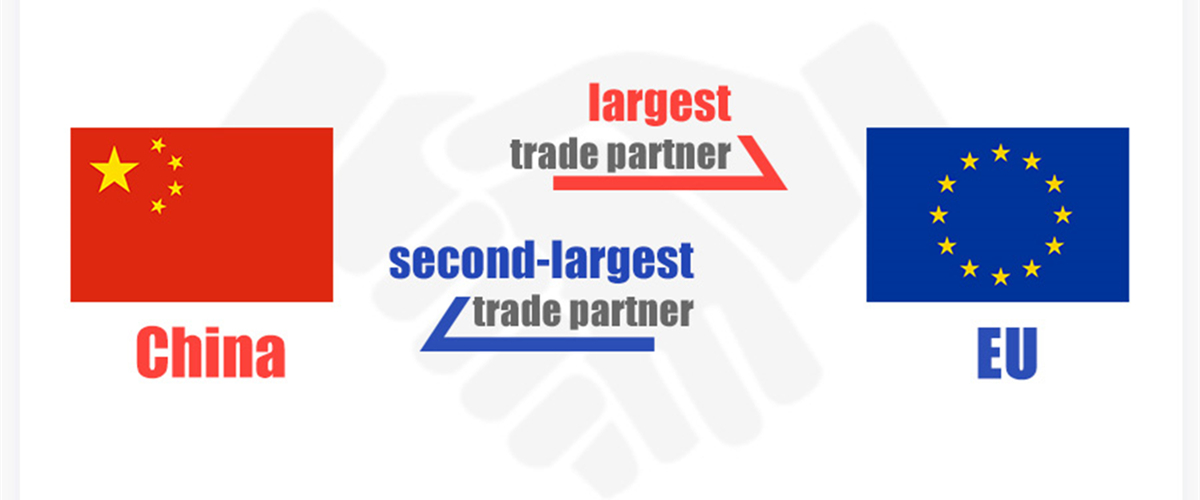
Al Jazeera By Javad Zarif, Professor of Global Studies at University of Tehran. Former Vice President and Foreign Minister of Iran and the co-architect of Iran nuclear deal.
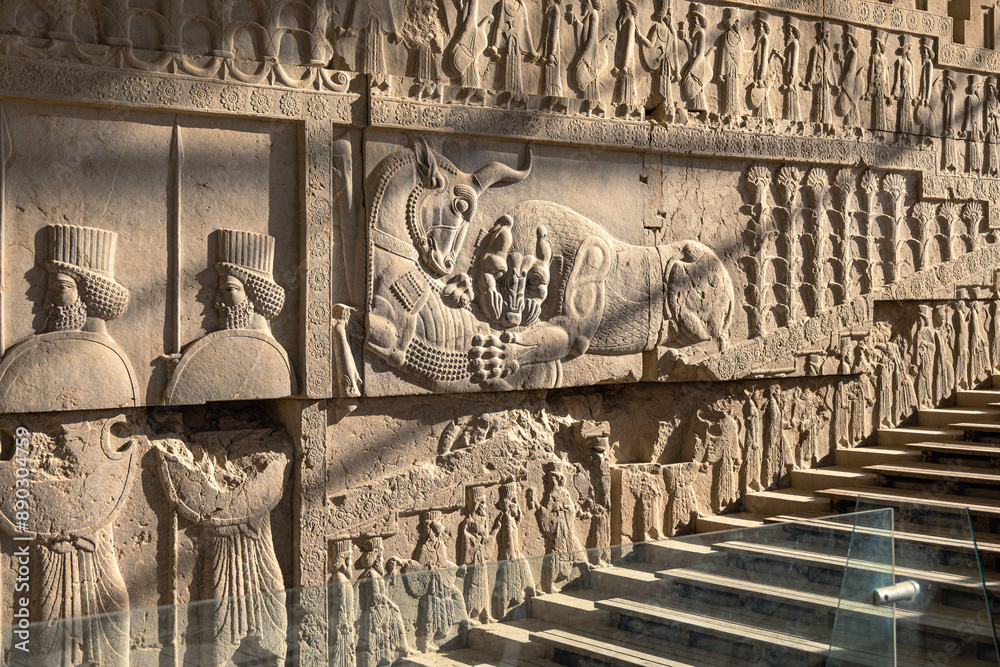
Global Times By Chen Qingrui Published: May 06, 2026
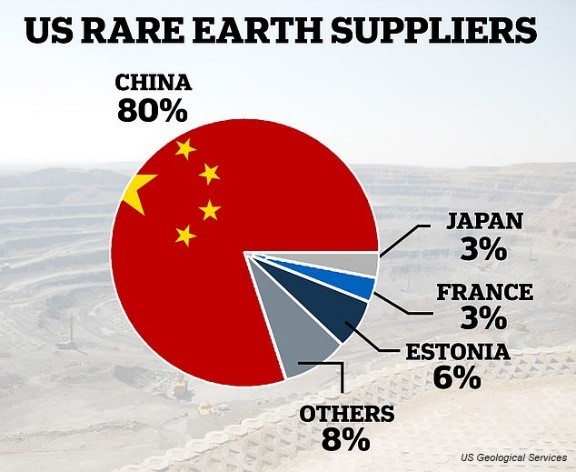
With G7 countries reportedly stepping up coordination on critical minerals and discussing ways to reduce reliance on China, Chinese experts warned that repeatedly framing China as the problem could leave Western supply chain initiatives trapped in a deadlock, arguing that "de-risking" should not come at the expense of free trade principles.
South China Morning Post- SCMP By Liu Zhen Published, 6 May 2026
Beijing says Japan’s ‘neo-militarism’ is a ‘scourge’ that threatens regional peace and stability.

Ναυτεμπορική- Μιχάλης Ψύλος, Τετάρτη, 6 Μαΐου 2026
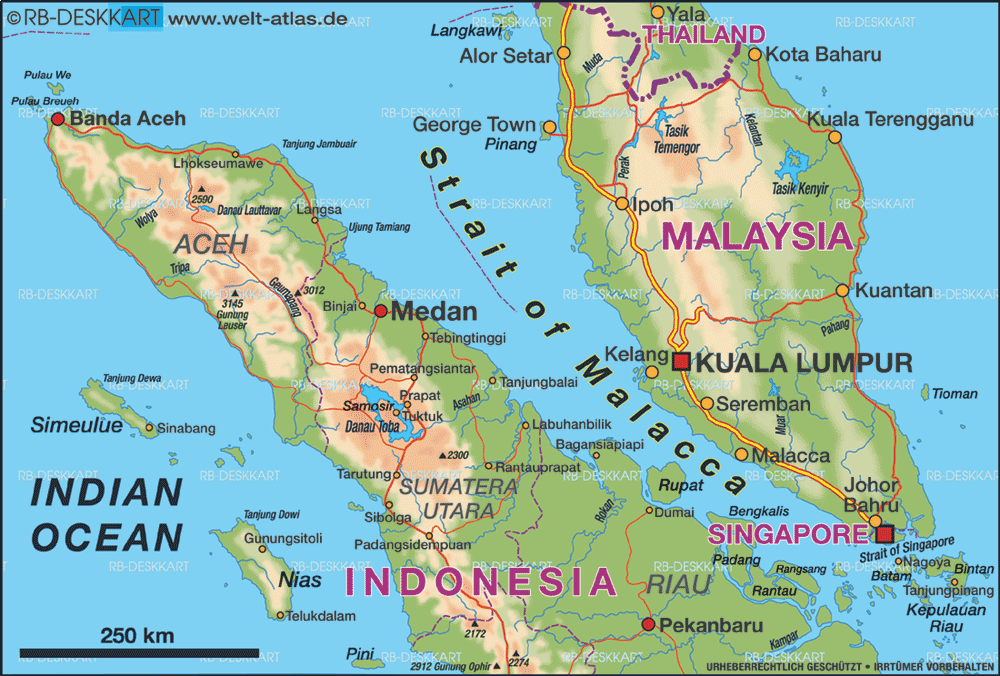
Με τον ανταγωνισμό ΗΠΑ-Κίνας να αυξάνεται ολοένα και περισσότερο, το Στενό Μάλακκα θα μπορούσε γρήγορα να γίνει μήλο της έριδος μεταξύ των υπερδυνάμεων.
Ναυτεμπορική , Από την έντυπη έκδοση - Πάρης Τσιριγώτης, Τετάρτη, 6 Μαΐου 2026
Η συμμετοχή στη γραμμή παραγωγής των Belharra, η επένδυση στην Ινδία και τα επόμενα βήματα.
Ναυτεμπορική Σάββατο, 2 Μαΐου 2026
Αν και τυπικά ειναι το Νο 5 στο καθεστώς, στην πραγματικότητα έχει τη μεγαλύτερη ισχύ από οποιονδήποτε άλλο πλην του Σι.

The understandings they develop in this meeting will not end rivalry but could define its limits.

Ναυτεμπορική της Νατάσας Στασινού Δευτέρα, 4 Μαΐου 2026
Το Ορμούζ, η Ερυθρά Θάλασσα και το ρήγμα με τα ΗΑΕ.

Euronews By Sasha Vakulina Published on