Iraqi militias have evolved from armed groups into powerful political and economic actors, embedded within the state and controlling key sectors.

Money Review Τρίτη 21/04/2026
Ο Ντόναλντ Τραμπ θεωρεί τον εαυτό του «δάσκαλο» της διπλωματίας του εξαναγκασμού, πιέζοντας τους αντιπάλους του να υποκύψουν γρήγορα στις αμερικανικές απαιτήσεις υπό την απειλή άμεσης επίθεσης.
Global Times Published: Apr 21, 2026

Global Times Published: Apr 20, 2026
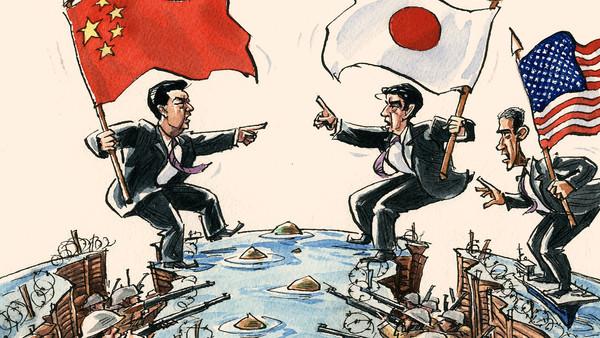
Japan is taking part in the annual Balikatan military drills led by the Philippines and the US starting Monday. This marks Japan's full and high-profile participation in the military exercises for the first time, rather than participating as observers or in noncombat roles.
China Daily Updated: 2026-04-20
The telephone talks between Chinese President Xi Jinping and Saudi Arabia's Crown Prince and Prime Minister Mohammed bin Salman Al Saud on Monday represent China's latest effort to advance a settlement of the Middle East crisis. It also highlights Beijing's readiness to work with all peace-loving nations to promote the peace and development of the region.
Asia News Network By Michelle Ng, The Straits Times, April 20, 2026
The packed diplomatic calendar saw leaders from Spain, Russia, the UAE, and Vietnam visiting China, which has long positioned itself as a steady and reliable partner in contrast to the unpredictability of the Trump administration.
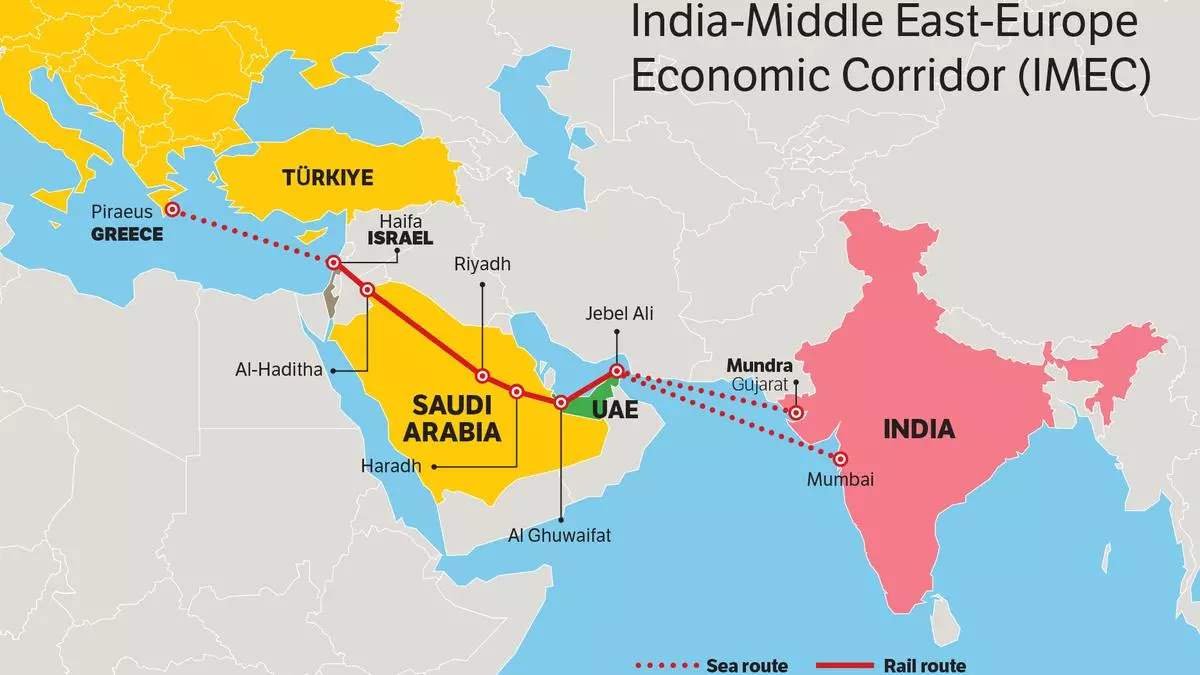
Eurasian Times By Prakash Nanda -
If anything, the ongoing conflicts in the Middle East have reaffirmed the intensified weaponization of the trade routes.
Asia News Network By Ian Nicolas P. Cigaral, Philippine Daily Inquirer
Oxford Economics cites the outsized role international arrivals play in both countries’ growth and employment.
Global Times Published: Apr 18, 2026
An unprecedented delegation of roughly 30 NATO ambassadors recently visited South Korea and Japan. According to Japanese media reports, it marks one of the largest diplomatic missions to the countries and is seen as a significant step toward an "Asia-Pacific NATO."
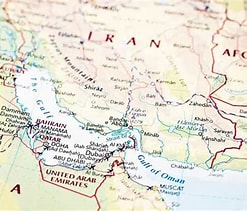
Iran has a powerful new tollbooth tool over bottleneck strait that it can leverage to China’s benefit or detriment after the war.
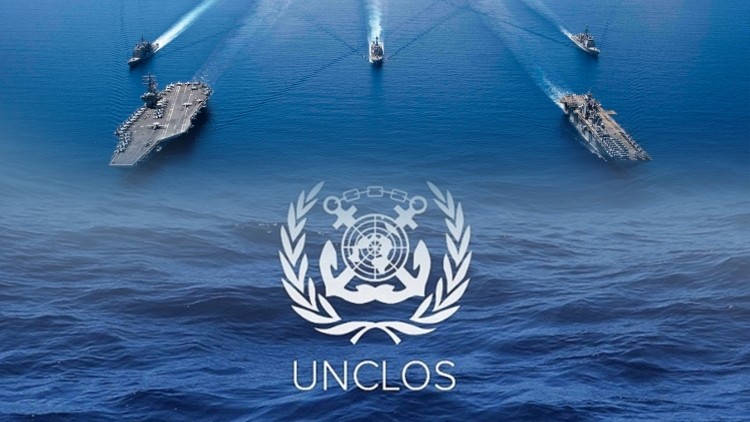
Global Times Published: Apr 14, 2026
Al Jazeera By Samer Jaber, 14 Apr 2026
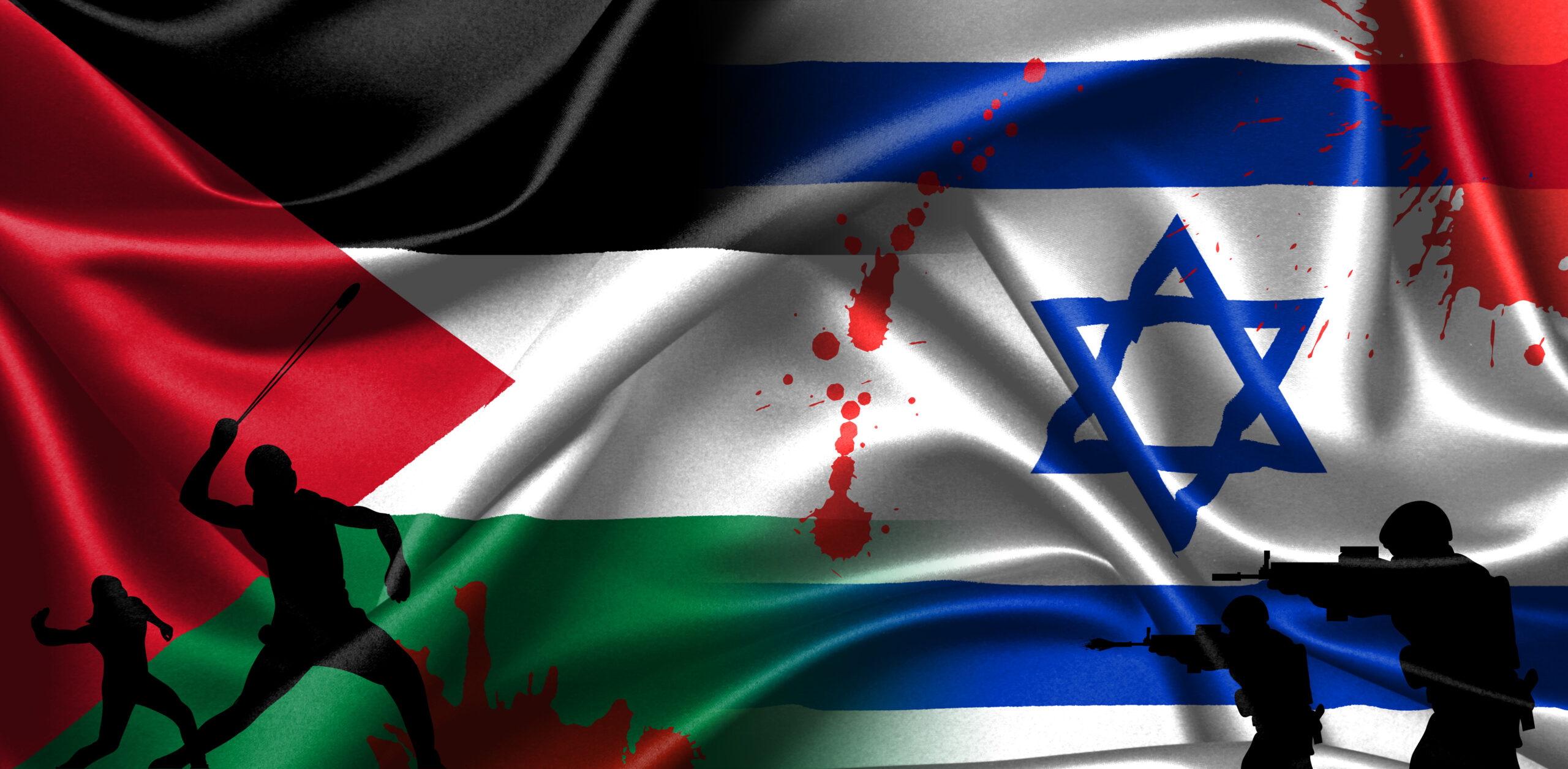
Opinion|Israel-Palestine conflict: Israel wants to expand in the Middle East. Its failure to defeat Iran is a major setback for its hegemonic plans. Ahead of the deadline United States President Donald Trump set for Iran last week, Israeli Prime Minister Benjamin Netanyahu made an urgent call to the White House.
- What Russia Can Learn From The Iranian War: Strategic Lessons From A Six-Week Conflict – Analysis
- Two Nobel Prizes For Trump: Will U.S. President Become 1st Person With 2 Medals Despite Never Winning It?
- Four visits in four years – why are China-Spain relations so ‘resilient’?: Global Times editorial
- The war on Iran: Nobody won, everyone paid

News
Technology
About Us
Download Our Mobile App