
ΑΝΑΛΥΣΕΙΣ
All Stories
Capital / Του Alexander Gabuev, Δευτέρα, 29-Ιουν-2026,
Για τους περισσότερους Ρώσους, η 18η Ιουνίου 2026 θα μείνει στη μνήμη ως η ημέρα κατά την οποία η Μόσχα γνώρισε μία από τις πιο θεαματικές ουκρανικές επιθέσεις με μη επανδρωμένα αεροσκάφη (drones) μέχρι σήμερα.
The Times of Central Asia, 28 June 2026, by Askar Alimzhanov
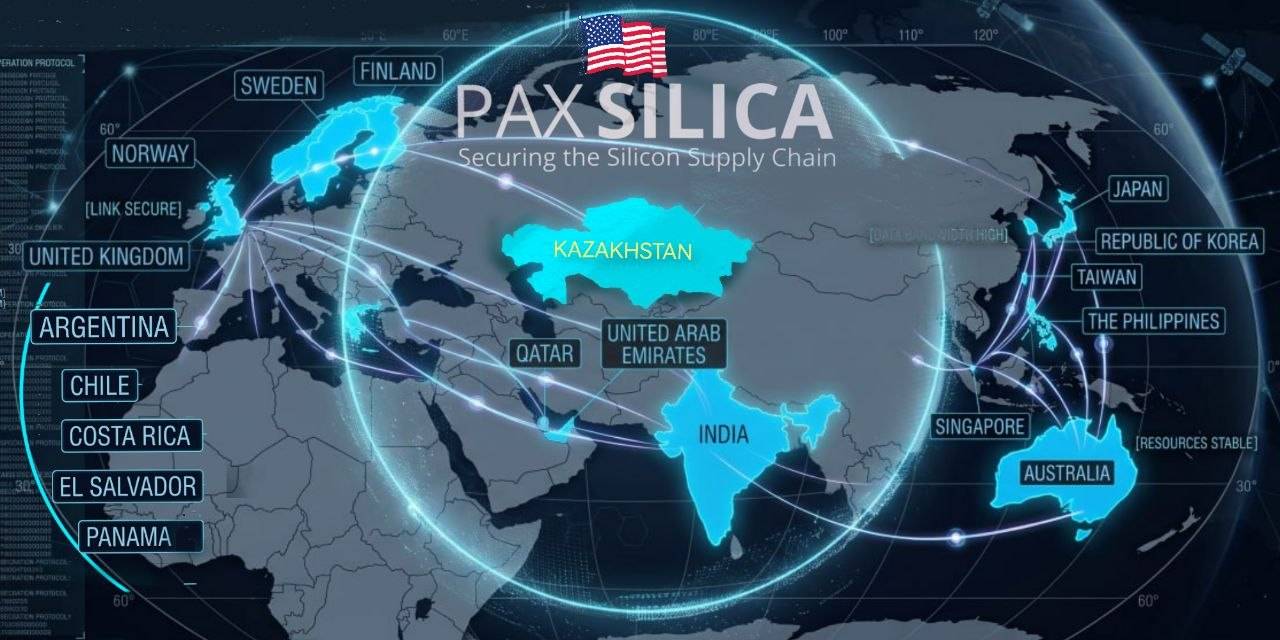
Kazakhstan’s accession to Pax Silica is more than a diplomatic ribbon-cutting. It is an investment signal.
Oilprice, By Haley Zaremba - Jun 29, 2026
The Philippines is now China's second-largest solar export market, with shipments topping 4,000 megawatts in just four months.
Global Times, Published: Jun 29, 2026, By Liu Yang, Ding Yazhi and Xing Xiaojing
China's Ministry of Commerce (MOFCOM) on Monday expanded export controls on Japan by adding 20 Japanese entities to the control list for dual-use items.
Global Times, Chen Qingqing, Published: Jun 25, 2026
China-Cambodia ties unwavering, highlighting ‘ironclad friendship’ of stability, trust and mutual support: experts.

Asia Times , b
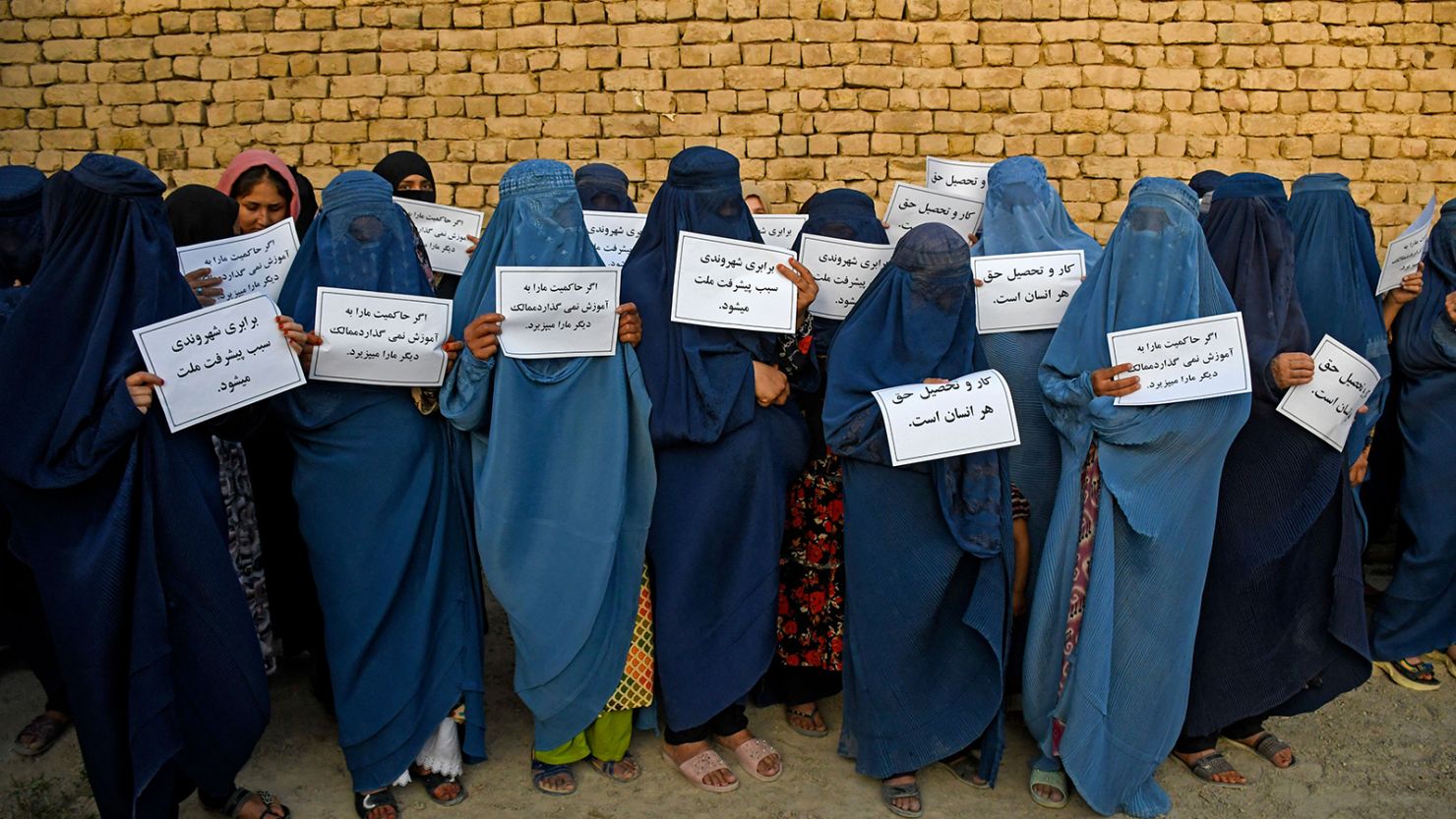
Migration pressure driving EU outreach to Taliban but rights groups warn deportation cooperation will reward a brutal regime.
The Times of Central Asia, 25 June 2026, By Andrei Matveev
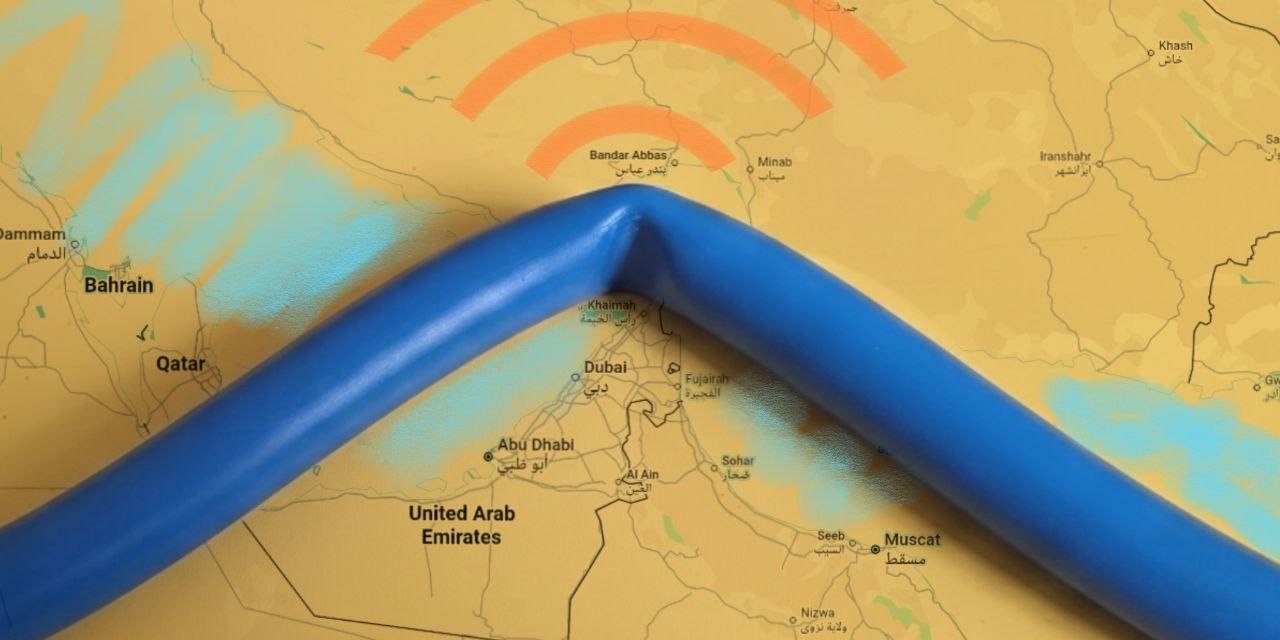
The preliminary memorandum signed in mid-June between the United States and Iran, followed by renewed talks between Washington and Tehran, has extended a U.S.–Iran truce and opened a 60-day window for negotiations on a final agreement.
The Times of Central Asia, 23 June 2026 by Sergey Kwan
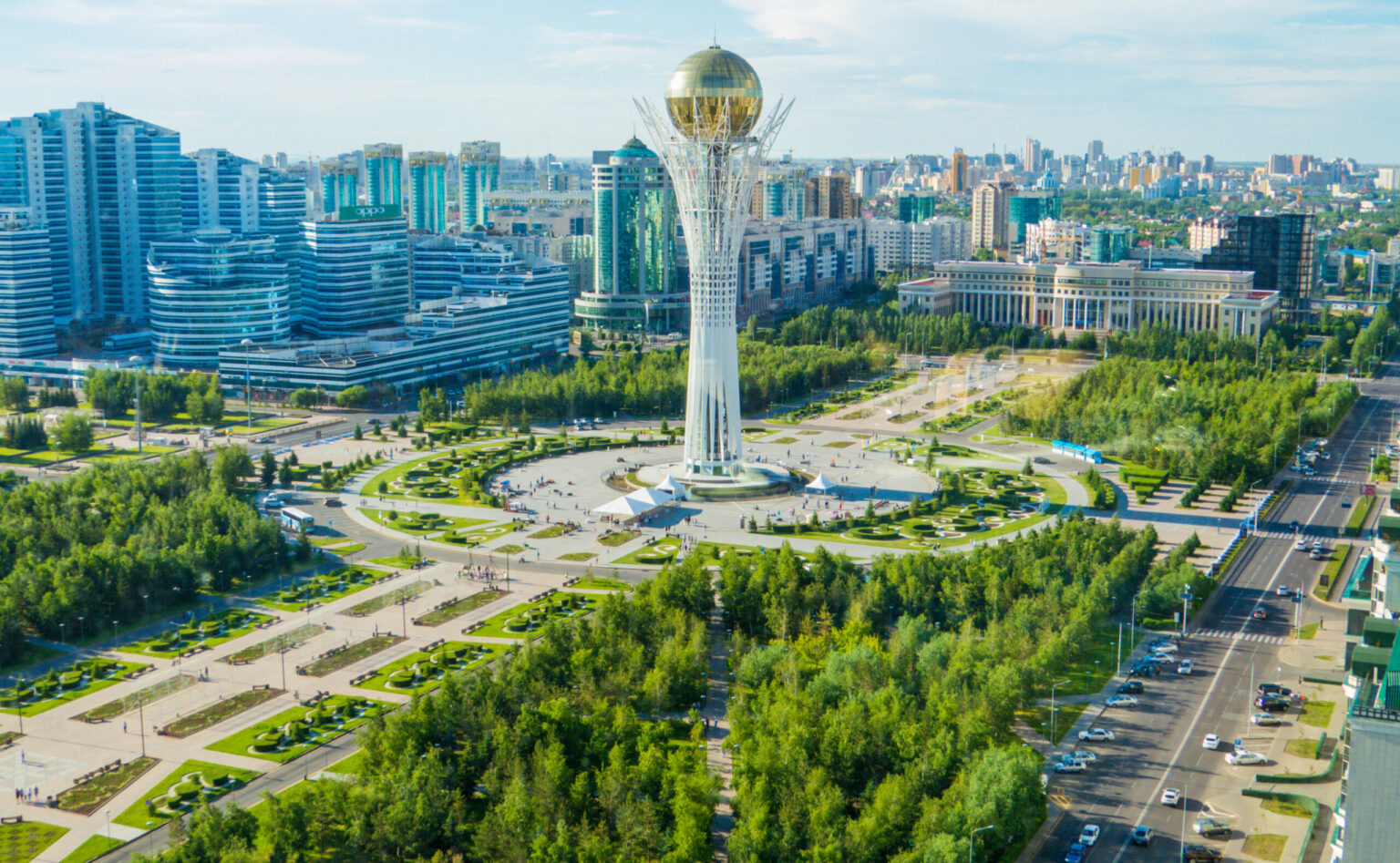
Kazakhstan and its European partners unveiled four transport deals worth a combined $462 million on June 22, giving President Kassym-Jomart Tokayev’s visit to Belgium a concrete outcome on Eurasian connectivity.
New Fed chief Warsh’s hawkish debut is tanking currencies from the yen to the rupiah at the worst possible moment for Asia.

Money Review, JOY DONG
Υστερα από χρόνια που οδηγούσε Mercedes-Benz και BMW, ο Li Maozai πήρε μία απόφαση που εξέπληξε ακόμα και τον ίδιο: Αγόρασε ένα αυτοκίνητο πολυτελείας Made in China.

Oilprice, By Irina Slav - Jun 21, 2026
The Hormuz blockade exposed the vulnerability of Gulf energy exports, prompting major producers to accelerate pipeline projects that bypass the strait and reduce future disruption risks.
Ανιχνεύσεις, June 16, 2026
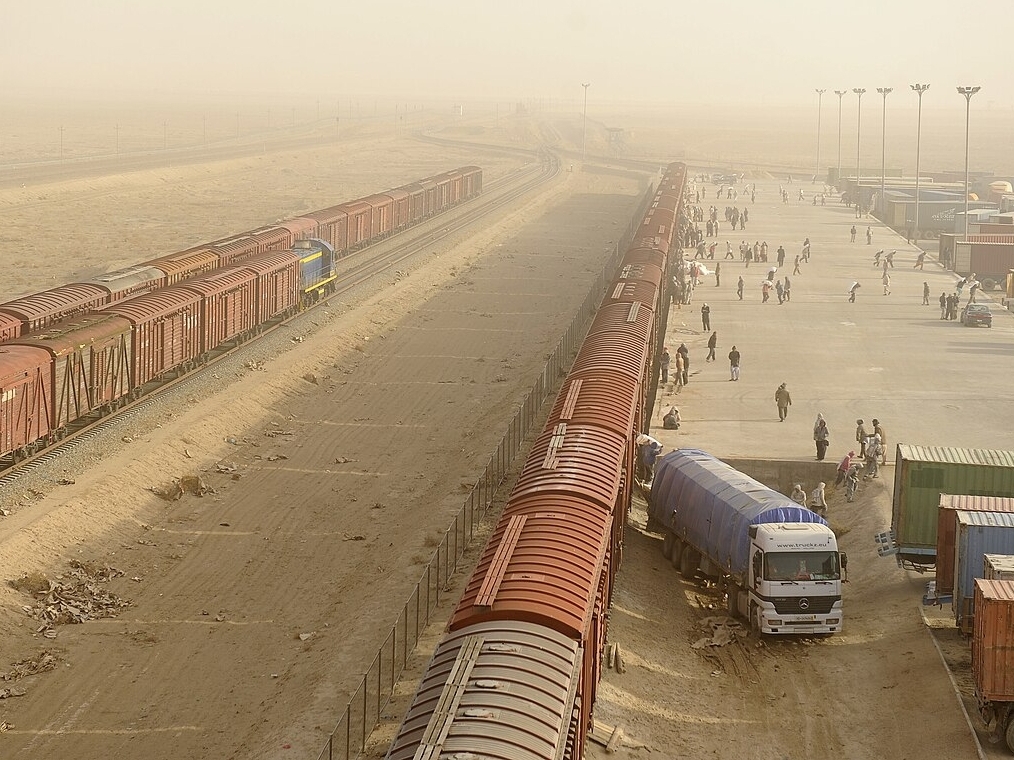
Για δεκαετίες, οι κανόνες της παγκόσμιας οικονομίας —και της ίδιας της οικονομικής επιστήμης— έμοιαζαν παγιωμένοι.


News
Technology
About Us
Download Our Mobile App